Contents Of Discussion:
--Family Felidae
--Leopard Kingdom
--Members Of The Leopard Kingdom
--Interesting Facts About Leopards
So Lets Get Started ,,,,,
Family Felidae compromise of a number of members , such as

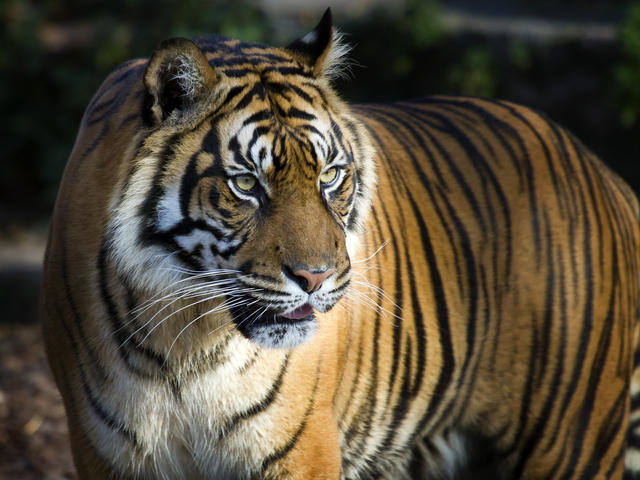


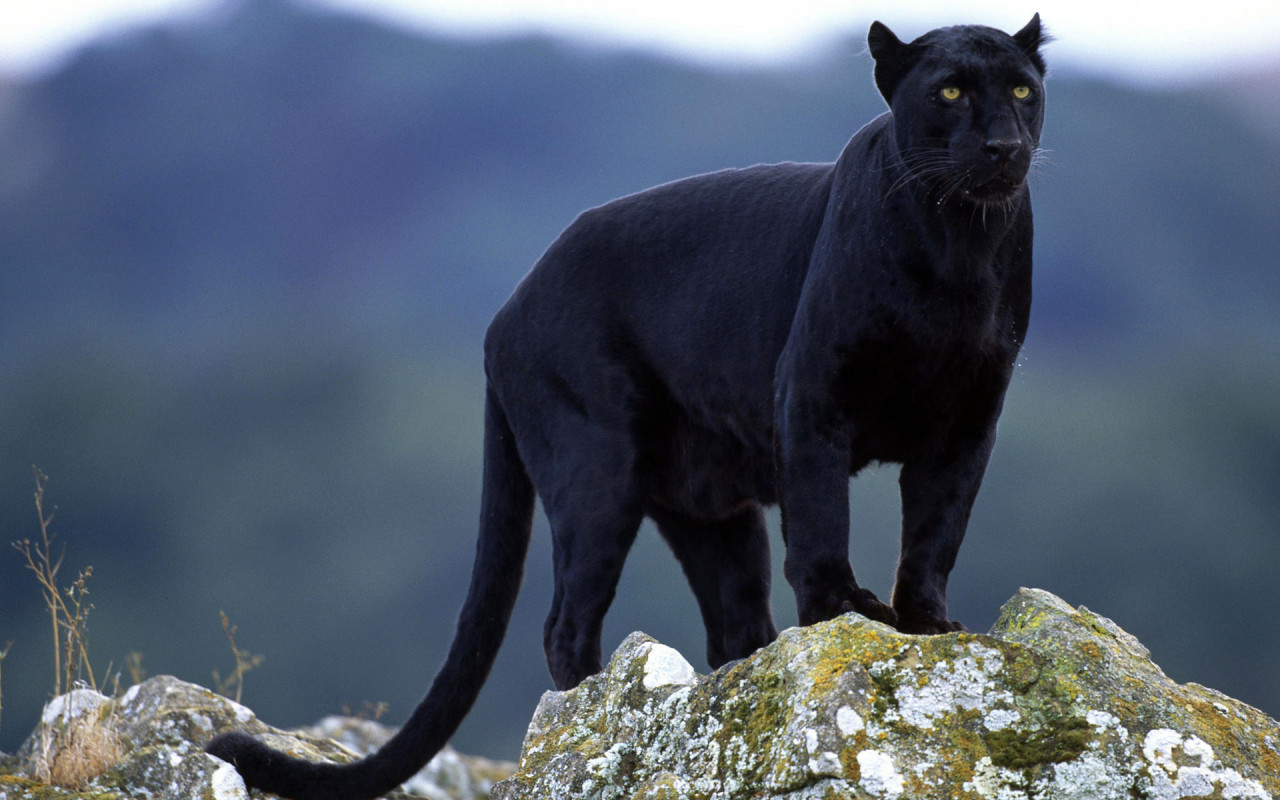


Leopard is a member of the Felidae family which also is a rare species nowadays,the Leopard kingdom is further branched into :


These were found in Tanzania, but its still not certain whether these are completely extinct or not, as they haven't been seen since a long time.
The inhabitants of Tanzania believed that Zanzibar's were kept by witches , which sent them to kill the locals of Tanzania and henceforth they commenced killing them.
--Members Of The Leopard Kingdom
--Interesting Facts About Leopards
So Lets Get Started ,,,,,
FAMILY FELIDAE:
The members of the Felidae family are endangered to be extinct within a span of time as their number is getting fewer day by day, they are either the hostages for humans or are killed naturally.
Scientific Name:
Panthera pardus
Kingdom:
Animalia
Members of Felidae Family:
--Lion
--Tiger
--Leopards
--Jaguars
--Panther
--Cheetah
--Cats
Besides cats, the rest of the members are often known as "Big Cats", as they resemble cats but are larger in size.Each of these members are further classified into its sub-types keeping the habitat, size,life-span and visualization as the ground.
LEOPARD KINGDOM:
Behavior:
Leopards are nocturnal i-e they hunt during night and are often found resting during the day, either on tress or in thick undergrowth areas where they are not easy to be seen.
These big cats are subtle and clandestine and can survive in a number of habitats , that is why they are found in almost all parts of the worlds from jungles to tropical rain forests.
Leopard is a member of the Felidae family which also is a rare species nowadays,the Leopard kingdom is further branched into :
--Amur Leopards:
Description:
These are known to reside in a cold climate, where during winter their fur grows from 6.5-7.5 cm, and their coat has a less dark shade than then rest of the leopard subspecies and can clearly be told apart from other leopards.
Denticles:
These are minor sized hooks present on the tongue of leopards which helps them to scrape the meat of their hostage.
Rosettes:
Amur Leopards' rosettes' as compared to the rest of the leopards are evenly and widely spread on its body.
Life-Span:
10-15 years and in incarceration up-to 20 years.
Mass:
The males weigh more than the females i-e; the male mass is from 32-48 kg and sometimes to 75 kg as well, whereas the females mass is 25-43 Kg.
New Born:
The gestation period of Amur leopards is round about 12 months and the newborn cubs vary in number i-e 1-4.
There are less than 40 Amur leopards left on this globe.
--Scientific name:
Panthera Pardus Orientalis
--Snow Leopards:
LIFESPAN:
15-18 years and in case of incarceration they can live up to 22 years.
Almost 3,500-7,500 snow leopards are left on this globe.
Mass:
They weigh 35-55 Kg Approx.
Visualization:
Their fur is of grayish color with black rosettes on top of a brownish ground
--Scientific name:
Panthera Uncia
--PERSIAN LEOPARDS:
--Scientific name:
Panthera pardus saxicolor.
--SRI LANKAN LEOPARDS:
--Scientific Name:
Panthera Pardus Kotiya
--ZANZIBAR LEOPARDS:
--Scientific name:
Panthera Pardus Adersi
These were found in Tanzania, but its still not certain whether these are completely extinct or not, as they haven't been seen since a long time.
The inhabitants of Tanzania believed that Zanzibar's were kept by witches , which sent them to kill the locals of Tanzania and henceforth they commenced killing them.
--AFRICAN LEOPARDS:

--Scientific Name:
Panthera Pardus Fusca
--ANATOLIAN LEOPARD:

--Scientific Name:
Panthera Pardus Tulliana
--INDIAN LEOPARDS:

--Scientific Name:
Panthera Pardus Fusca
--JAVAN LEOPARDS:

--Scientific Name:
Panthera Pardus Melas
--ARABIAN LEOPARD:
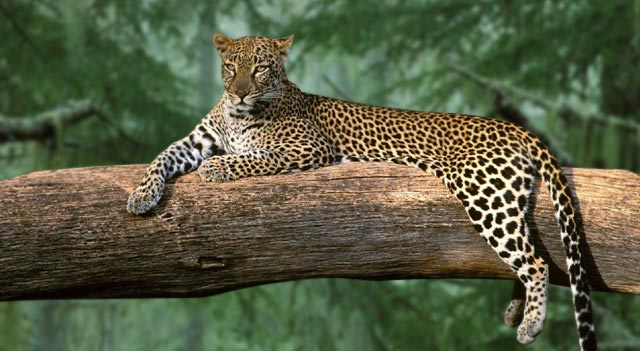
--Scientific Name:
Panthera Pardus Nimr
--SINAI LEOPARD:

--Scientific Name:
Panthera pardus jarvisi.
These were initially declared as leopards by Pocock in 1932. These were foud in the Sinai Peninsula in Egypt but ever since 1990's they haven't been spotted in Egypt anymore.
--NORTH CHINESE LEOPARDS:
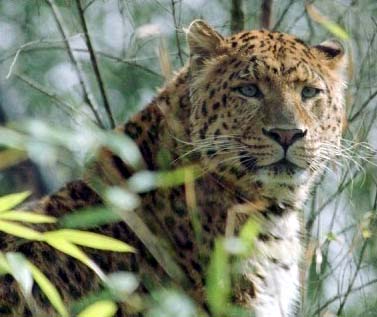
--Scientific Name:
Panthera Pardus Japonensis
Also known as North China Leopards are found in Northern China. The Wild hasn't confirmed its number yet.
--INDOCHINESE LEOPARD:

--Scientific Name:
Panthera Pardus Delacouri
--INTERESTING FACTS ABOUT LEOPARDS:
=Swimmers:
Leopards are very gallant and are very good swimmers as well
=Hostages:
Leopards are able to hunt a hostage who is 3 times larger than its own weight.
=Tree climbers:
Leopards can climb trees even if they are carrying the heaviest prey.
=Pace:
Leopards are known for their high speed as they can run from 58-68 km/h.
=Hard to Trace:
Leopards are very subtle and alert and among the Felidae , they are very hard to trace in the wild life.
=Nurturing of Cubs:
The newborns are kept hidden for sometime to save them from hostiles whereas at the third month they join their mother for hunting and stay with them up to 2 years.
=Newborn Cubs:
The newborns are born blind and are fully dependent on their mothers , and they open their eyes after ten or more days and initially their eyes are bright blue in color, and tend to change their color with time.
=Visualization of The Newborn:
The newborn's coat doesn't have any spots on it , the rosettes commence to develop after a few days.
=Black Leopards:
There exist black leopards which are often confused with black panthers , but panthers have a flawless pure black skin whereas the black leopards have rosettes which could be seen from a certain angle.
=Rasping:
The call of a leopard is termed as rasping because of its depth and roughness , which indicates the presence in a certain territory.
= It is often said that when the leopards are old and near to die and head towards the place where they were born.

No comments:
Post a Comment